Introduction
Cardiopulmonary resuscitation (CPR) is a lifesaving technique that every person should know. Nevertheless, despite its vital relevance, countless misunderstandings border CPR methods and accreditation. Several individuals may be reluctant to obtain certified because of these misconceptions, which can ultimately cost lives in emergency situations. This post aims to unmask prevalent misconceptions regarding mouth-to-mouth resuscitation while emphasizing the value of obtaining licensed via certified first help courses By comprehending the truths, you can equip yourself and possibly save a life.
Common Mistaken beliefs Regarding CPR and Why You Must Obtain Certified
What Is CPR? Comprehending the Basics
CPR stands for cardiopulmonary resuscitation, a treatment created to recover breathing and circulation in an individual who has stopped breathing or whose heart has actually ceased whipping. The technique includes upper body compressions incorporated with synthetic air flow techniques such as CPR classes in Brisbane mouth-to-mouth breathing or making use of a bag-mask device.
- Key Components of CPR: Chest Compressions: These aid maintain blood circulation to crucial organs. Rescue Breaths: These offer oxygen to the lungs. Automated Outside Defibrillator (AED): A gadget that can surprise the heart back right into rhythm in case of particular heart arrests.
Misconception 1: Just Medical Professionals Can Carry Out CPR
One usual misconception is that only qualified doctor can do mouth-to-mouth resuscitation effectively. While healthcare providers are definitely competent at it, any person can learn how to perform CPR through CPR courses
- The Truth: Laypersons can be trained to provide efficient CPR. Basic strategies are uncomplicated and can be understood by anybody ready to learn. Bystanders typically play vital duties in saving lives before expert help arrives.
Misconception 2: CPR Is Only Useful for Cardiac Arrest Victims
Another prevalent misunderstanding is that mouth-to-mouth resuscitation is entirely for individuals experiencing heart attack. Actually, CPR can be advantageous in different emergencies.

- Other Situations Where mouth-to-mouth resuscitation Is Useful: Drowning incidents Drug overdoses Choking victims where the airway has been compromised
Misconception 3: You Ought To Avoid Giving Rescue Breaths
Many individuals think rescue breaths are unneeded or perhaps unsafe because of the risk of infection or other problems. This originates from complication regarding exactly how COVID-19 might affect these practices.
- The Truths: Rescue breaths are essential for providing oxygen. During circumstances like sinking or opioid overdose, rescue breaths become crucial. Hands-only CPR is suggested when someone is inexperienced or hesitant yet recognizing both methods remains vital.
Misconception 4: You Can Not Harm Someone by Doing Mouth-to-mouth Resuscitation Incorrectly
While it's true that executing CPR incorrectly may trigger some harm, not trying it whatsoever might bring about fatality.

- Understanding the Dangers: Rib fractures might take place during hostile upper body compressions. Any activity taken is much better than not doing anything; modern-day guidelines highlight that "something" is far better than "absolutely nothing" throughout cardiac arrest situations.
Misconception 5: Once You're Trained, You Do Not Required More Training
Some people think that once they've completed a training course, they don't require additional training or recertification.
- Why Continuous Training Issues: Techniques progress with time based on new research. Regular refreshers keep your abilities sharp and guarantee you're current with present finest practices.
Misconception 6: Kid Don't Required CPR Training
Parents usually think they won't need to do CPR on their children because kids don't experience heart events as regularly as adults do.
- The Reality for Parents: Children can deal with respiratory system problems, choking incidents, or sinking scenarios needing immediate attention. Learning pediatric-specific strategies makes certain readiness during emergency situations involving children.
Importance of Getting Qualified in First Aid and CPR Courses
Why Accreditation Issues in Emergency Situations
Being certified in first aid and mouth-to-mouth resuscitation gives numerous benefits beyond simply learning life-saving skills:
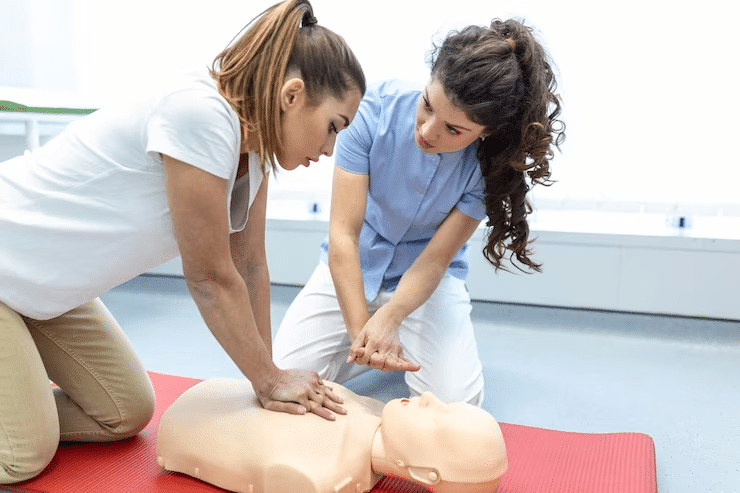
- Enhances self-confidence when dealing with emergencies Increases recognition of safety protocols Encourages even more people to progression in emergency situations
Benefits of Taking an Emergency Treatment Course
Comprehensive Ability: Participants find out not almost mouth-to-mouth resuscitation but additionally fundamental emergency treatment concepts such as injury care and handling fractures. Legal Security: Certification frequently includes Do-gooder laws protection when helping somebody during an emergency. Career Opportunities: Several jobs need first aid certification as part of their safety and security procedures; being accredited boosts employability in fields like training, mentoring, health care, and childcare.FAQs About Typical Misconceptions Concerning CPR
FAQ 1: What sort of training do I require for effective CPR?
You needs to sign up in acknowledged CPR courses that cover both adult and child resuscitation approaches effectively.
FAQ 2: Exactly how frequently must I renew my first aid certificate?
It's a good idea to renew your first help certificate every two years since guidelines alter regularly based on emerging research.
FAQ 3: Is hands-only compression much better than traditional CPR?
For untrained spectators or those uneasy offering rescue breaths, hands-only compression works however recognizing both methods gives a higher opportunity of survival if educated properly.
FAQ 4: What sources are available for learning more about first aid?
Numerous companies use online sources alongside physical programs; reputable platforms consist of the American Heart Organization and Red Cross web sites which information first aid courses readily available near you.
FAQ 5: Are there any kind of age restrictions on taking a first aid course?
Most first help courses welcome individuals of all ages; however, some specialized courses might be geared toward certain age (e.g., children vs grownups).
FAQ 6: Does my workplace need me to obtain certified?
Certain work environments-- particularly those involving public interaction-- typically require workers to have valid qualifications in emergency treatment and fundamental life assistance (BLS).
Conclusion
Understanding the reality behind usual mistaken beliefs regarding CPR is critical for raising recognition about this life-saving method. Whether you're a parent wishing to safeguard your youngster or an employee seeking certification for expert innovation, obtaining accredited with correct first aid courses arms you with the understanding required for acting emphatically throughout emergencies. Keep in mind-- any individual can learn exactly how to do reliable mouth-to-mouth resuscitation regardless of background; don't allow mistaken beliefs prevent you from coming to be encouraged! So why wait? Sign up today for a CPR course!
This thorough overview seeks not just to resolve misconceptions surrounding CPCR but likewise works as a motivation for every person to look for certification so they as well can contribute positively during emergencies!